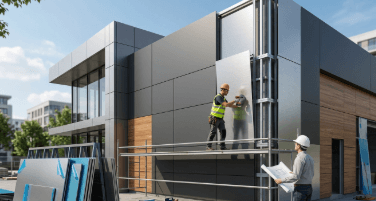
The construction and interior design industries continue evolving as businesses and property developers seek materials that combine durability, functionality, and visual appeal. Modern commercial spaces, residential developments, healthcare facilities, and educational buildings increasingly depend on high-performance materials that support long-term design goals. As demand for advanced surface solutions continues growing, HPL manufacturers play an important role in supplying materials that meet modern building requirements.
Interior and architectural planning now prioritize efficiency, durability, and aesthetic flexibility more than ever before. Material innovation continues influencing how designers and builders approach modern construction projects.
As infrastructure demands evolve, high-performance materials continue shaping the future of building design.
Understanding HPL Materials in Modern Construction
High-pressure laminate, commonly known as HPL, is widely used across multiple interior and architectural applications.
Material applications frequently include:
- Wall surfaces
- Furniture components
- Commercial interiors
- Office environments
- Educational institutions
- Healthcare facilities
Modern design environments increasingly require materials capable of supporting both performance and appearance expectations.
Architectural planning continues emphasizing solutions that improve functionality while maintaining design quality.
Why Material Selection Matters in Construction Projects
Building materials directly influence long-term performance, maintenance planning, and visual outcomes.
Project developers frequently prioritize materials that support:
- Structural durability
- Design flexibility
- Surface consistency
- Operational longevity
- Project efficiency
Material decisions increasingly affect long-term building value.
Construction planning continues evolving toward solutions that improve performance while supporting changing industry demands.
How HPL Manufacturers Support Modern Building Development
Material quality often influences project outcomes and operational reliability.
Several factors contribute to growing interest in advanced surface solutions.
Durability for Long-Term Use
Commercial and residential environments frequently require materials capable of supporting daily use demands.
Reliable material solutions may help support:
- Long-term durability
- Surface stability
- Consistent performance
Durability remains an important consideration across modern construction projects.
Greater Design Flexibility
Interior environments increasingly emphasize customized visual experiences.
Material flexibility supports:
- Diverse design applications
- Modern architectural concepts
- Interior styling consistency
Design adaptability continues influencing material demand.
Better Maintenance Efficiency
Property owners increasingly prioritize solutions that support long-term maintenance planning.
Practical material selection may contribute to:
- Simplified maintenance routines
- Long-term usability
- Operational efficiency
Maintenance considerations continue shaping material selection strategies.
Businesses and project planners exploring advanced building materials may consider HPL manufacturers solutions for modern construction requirements.
Industries That Frequently Use HPL Solutions
Advanced surface materials continue supporting multiple sectors.
Commercial Buildings
Commercial properties increasingly require durable materials capable of supporting long-term operational demands.
Material reliability remains essential.
Educational Facilities
Schools and learning environments often prioritize materials that balance functionality with durability.
Long-term planning influences material selection decisions.
Healthcare Environments
Healthcare facilities increasingly depend on reliable building materials that support operational requirements.
Material performance continues influencing infrastructure development.
Office and Corporate Spaces
Modern workspaces continue emphasizing design quality alongside operational functionality.
Interior planning remains increasingly important.
Important Factors to Consider When Selecting Surface Materials
Material planning often requires balancing performance goals with design expectations.
Several factors commonly influence decision-making.
Durability Expectations
Long-term operational performance remains an important consideration.
Reliable materials contribute to stronger project outcomes.
Design Objectives
Modern projects frequently emphasize visual consistency and architectural flexibility.
Material versatility supports broader design possibilities.
Maintenance Planning
Maintenance efficiency influences long-term operational performance.
Practical material solutions help strengthen lifecycle value.
Construction Industry Trends Continue Influencing Material Demand
Building strategies continue evolving alongside technological advancement.
Several trends continue shaping construction planning.
Increased Focus on Sustainable Development
Modern projects increasingly emphasize resource efficiency and long-term planning.
Sustainability considerations continue influencing material selection.
Greater Demand for Design Flexibility
Architectural environments increasingly prioritize customized design approaches.
Material innovation supports evolving design requirements.
Technology Integration in Construction
Construction modernization continues improving project efficiency.
Material technology remains an important driver of industry advancement.
How Construction Projects Improve Long-Term Performance
Project teams focused on long-term success often prioritize:
- Material quality
- Operational durability
- Design flexibility
- Maintenance efficiency
- Infrastructure planning
Strategic planning supports stronger project performance.
Construction success increasingly depends on selecting materials aligned with evolving project requirements.
See also: Company Formation and Closing a Business Legally
Frequently Asked Questions
1. Why is material durability important in construction projects?
Durable materials help support long-term operational performance and project reliability.
2. Why do modern buildings prioritize design flexibility?
Flexible design solutions support changing functionality and evolving space requirements.
3. Why is maintenance planning important when selecting materials?
Maintenance efficiency influences long-term usability and operational value.
Conclusion
Modern construction continues evolving as developers and designers seek materials that balance durability, design flexibility, and long-term performance. Material quality remains a major factor influencing building outcomes and operational reliability. As construction technology advances further, high-performance material solutions will remain increasingly important for supporting future infrastructure development and modern design requirements.