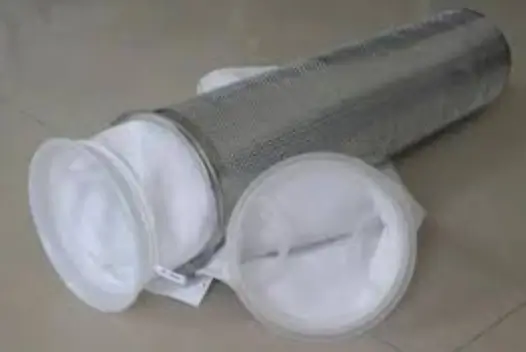
Industrial filtration systems are essential for maintaining clean production environments, protecting machinery, and reducing environmental pollution. Whether it is dust collection, liquid filtration, or air purification, industries rely on efficient filtration products to ensure smooth operations. One of the most important factors that determine filtration performance is the quality of filter bag materials.
Filter bag materials play a critical role in filtration efficiency, durability, temperature resistance, and chemical compatibility. Different industries require different types of filtration fabrics depending on their operating conditions and application requirements. Selecting the right material helps improve filtration performance, extend filter lifespan, and reduce operational costs.
Today, industries such as cement, pharmaceuticals, food processing, chemicals, mining, and water treatment depend heavily on advanced filter bag materials for efficient industrial filtration systems.
What Are Filter Bag Materials?
Filter bag materials are specialized fabrics used to manufacture industrial filter bags. These materials are designed to trap dust, particles, and contaminants while allowing clean air or liquid to pass through.
The choice of filter bag material depends on several factors, including:
- Operating temperature
- Chemical exposure
- Moisture levels
- Particle size
- Airflow requirements
- Abrasion resistance
Different materials provide different levels of durability and filtration performance, making material selection an important part of industrial filtration design.
Importance of Choosing the Right Filter Bag Materials
Selecting suitable filter bag materials is essential for achieving efficient filtration and long-term operational reliability.
Improved Filtration Efficiency
High-quality materials capture fine particles more effectively and improve air or liquid purity.
Longer Service Life
Durable filtration fabrics reduce wear and tear, increasing the lifespan of filter bags.
Better Temperature Resistance
Certain industrial processes involve extremely high temperatures. Heat-resistant materials help maintain stable filtration performance.
Chemical Compatibility
Industries handling corrosive chemicals require filtration materials capable of resisting chemical damage.
Reduced Maintenance Costs
Using the correct filter bag material minimizes replacement frequency and maintenance expenses.
Common Types of Filter Bag Materials
Manufacturers use several types of filtration fabrics depending on industrial applications and operating conditions.
Polyester Filter Bag Material
Polyester is one of the most commonly used filter bag materials in industrial filtration systems.
Features of Polyester Filter Bags
- Excellent durability
- Cost-effective solution
- Good abrasion resistance
- Suitable for moderate temperatures
Applications
Polyester filter bags are widely used in:
- Cement industries
- Food processing plants
- Pharmaceutical manufacturing
- Woodworking industries
Because of its affordability and reliable performance, polyester remains one of the most popular filtration materials worldwide.
Polypropylene Filter Bag Material
Polypropylene is another widely used filtration material, especially in liquid filtration applications.
Features of Polypropylene Filter Bags
- Excellent chemical resistance
- Strong moisture resistance
- Lightweight and flexible
- Good filtration efficiency
Applications
Polypropylene filter bags are commonly used in:
- Chemical processing industries
- Water treatment plants
- Food and beverage production
- Pharmaceutical industries
This material is ideal for environments involving corrosive chemicals and wet operating conditions.
Nylon Filter Bag Material
Nylon is known for its flexibility and strong abrasion resistance.
Features of Nylon Filter Bags
- High mechanical strength
- Excellent abrasion resistance
- Flexible structure
- Good filtration performance
Applications
Nylon filter bags are used in:
- Mining operations
- Metal processing industries
- Chemical filtration systems
- Industrial liquid filtration
Nylon is suitable for demanding industrial applications requiring strong and durable filtration fabrics.
PTFE Filter Bag Material
PTFE, also known as Teflon, is a premium filtration material designed for harsh industrial conditions.
Features of PTFE Filter Bags
- Exceptional heat resistance
- Excellent chemical stability
- Long service life
- Superior filtration efficiency
Applications
PTFE filter bags are commonly used in:
- Chemical industries
- Power generation plants
- Cement manufacturing
- High-temperature filtration systems
Although PTFE filter bags are more expensive, they provide excellent long-term performance in extreme conditions.
Fiberglass Filter Bag Material
Fiberglass is widely used in industries operating under very high temperatures.
Features of Fiberglass Filter Bags
- Excellent thermal resistance
- High filtration efficiency
- Strong dimensional stability
- Good durability under heat exposure
Applications
Fiberglass filter bags are commonly used in:
- Thermal power plants
- Cement industries
- Steel manufacturing plants
- Incineration systems
These filter bags are ideal for applications where heat resistance is a top priority.
Aramid Filter Bag Material
Aramid fibers are high-performance materials designed for demanding industrial environments.
Features of Aramid Filter Bags
- Strong heat resistance
- High mechanical strength
- Good abrasion resistance
- Reliable filtration performance
Applications
Aramid filter bags are used in:
- Asphalt plants
- Cement production
- Metal processing industries
- High-temperature dust collection systems
Aramid materials are known for their balance between durability and thermal performance.
Factors to Consider When Selecting Filter Bag Materials
Choosing the correct filter bag material requires careful evaluation of industrial operating conditions.
Operating Temperature
Different materials can handle different temperature ranges. High-temperature applications require specialized fabrics such as PTFE or fiberglass.
Chemical Exposure
Industries dealing with chemicals should choose materials resistant to corrosive substances.
Moisture Conditions
Some filtration systems operate in humid environments. Moisture-resistant materials improve performance and lifespan.
Particle Characteristics
The size, shape, and abrasiveness of particles affect material selection.
Filtration Efficiency Requirements
Industries requiring fine particle capture should select materials with high filtration performance.
Industries That Use Different Filter Bag Materials
Filter bag materials are used across many industries because of their versatility and efficiency.
Cement Industry
Cement plants use heat-resistant materials for dust collection systems.
Pharmaceutical Industry
Pharmaceutical companies require contamination-free filtration systems using high-quality materials.
Food Processing Industry
Food manufacturers use safe and hygienic filtration fabrics to maintain product quality.
Chemical Industry
Chemical plants require materials resistant to aggressive chemicals and corrosive environments.
Mining Industry
Mining operations use durable materials capable of handling abrasive dust particles.
Water Treatment Plants
Liquid filtration systems use moisture-resistant and chemical-resistant filter bag materials.
Benefits of High-Quality Filter Bag Materials
Investing in premium filtration fabrics provides several long-term advantages.
Better Operational Efficiency
Efficient filtration systems improve industrial productivity and reduce downtime.
Lower Maintenance Costs
Durable materials reduce replacement frequency and maintenance expenses.
Improved Environmental Compliance
High-quality filter bags help industries reduce emissions and meet environmental standards.
Enhanced Equipment Protection
Effective filtration protects industrial machinery from contamination and damage.
See also: Company Formation and Closing a Business Legally
Future Trends in Filter Bag Materials
The industrial filtration industry continues to evolve with advancements in technology and environmental sustainability.
Future developments include:
- Eco-friendly filtration materials
- Nanofiber filtration technology
- Smart filtration monitoring systems
- Improved heat-resistant fabrics
- Energy-efficient filtration solutions
Manufacturers are continuously developing advanced filter bag materials to meet modern industrial requirements.
Conclusion
Filter bag materials are one of the most important factors in determining the performance and durability of industrial filtration systems. Different materials provide different levels of filtration efficiency, temperature resistance, chemical compatibility, and operational reliability.
Industries such as cement, pharmaceuticals, chemicals, mining, food processing, and water treatment rely heavily on advanced filter bag materials for efficient filtration and environmental protection.
Choosing the right filtration fabric helps improve productivity, reduce maintenance costs, protect equipment, and ensure compliance with environmental regulations. As industrial standards continue to rise, the demand for high-quality and advanced filter bag materials will continue to grow, making them an essential part of modern industrial filtration technology.