It usually starts small. You avoid chewing on one side, you smile with your lips closed, or you catch yourself wondering whether that one missing tooth is becoming a bigger problem than you wanted to admit. If you have been living with tooth loss, loose teeth, or a denture that never feels quite secure, talking to a dentist in Skokie, IL can help you understand your options and reduce the stress. Eating changes. Speaking can feel different. Even photos can become something you think about too much.
For many people, dental implants are not about perfection. They are about getting back comfort, function, and confidence. If you have healthy enough bone and gums, and you are dealing with missing or failing teeth, you may be a strong candidate for treatment. A general and cosmetic dentist can evaluate your mouth, your health history, and your goals to see whether dental implants make sense for you.
Missing Teeth Often Point to Dental Implant Candidacy
The clearest sign is simple. You have one or more missing teeth, or you know a tooth is likely to be removed soon. A gap in your smile is not just cosmetic. Teeth help keep each other in place, and once one is gone, nearby teeth can shift. Your bite can change, food can get trapped more easily, and the jawbone in that area can begin to shrink over time.
You might think, “It is only one tooth. I can work around it.” Many people do exactly that for months or years. Then chewing becomes less natural, the opposite side of the mouth starts doing all the work, and a small issue turns into wear, soreness, or frustration at meals.
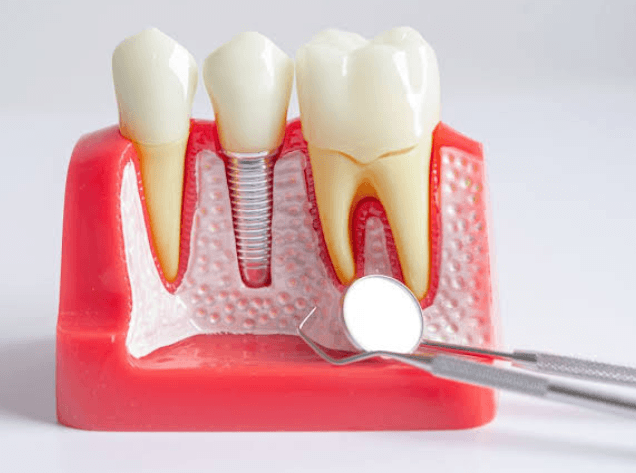
Tooth replacement options vary, but implants are designed to replace both the visible tooth and the root below it. That matters because the root area helps stimulate the jawbone. Bridges and dentures can still be useful, but they do not replace the root in the same way. If your daily life is already changing because of a missing tooth, an implant consultation is reasonable sooner rather than later.
Loose Dentures or Failing Dental Work Can Signal a Better Long Term Option
Another sign is ongoing trouble with dentures, bridges, or teeth that have had repeated repairs. If a denture slips when you talk, rubs your gums, or makes certain foods feel off limits, you are not imagining the burden. It wears on you. You start planning around your teeth, and that gets old fast.
The same goes for a tooth that has had multiple fillings, a root canal, or a crown and still does not feel dependable. Sometimes the issue is not one bad day. It is a pattern. A tooth keeps breaking down, the gum around it stays irritated, or your dentist has already discussed extraction as the next step.
In those cases, implant candidates are often people who want more stability than removable appliances or repeated patchwork care can give. Implants are not right for every situation, but they are often considered when a tooth cannot be predictably saved or when removable teeth are making daily life harder than it should be.
Healthy Gums and Jawbone Support Successful Implant Treatment
The third sign is less obvious because it is about what is happening under the surface. Good candidates usually have gums that are healthy or can be treated to become healthy, along with enough jawbone to support the implant. If you have active gum disease, that does not always end the conversation, but it does change the order of treatment.
Gum disease can weaken the tissues that support your teeth and affect healing. The National Institute of Dental and Craniofacial Research explains how gum disease affects the gums and bone around teeth. If your gums bleed easily, feel swollen, or you have been told you have periodontal disease, that needs attention before or alongside implant planning.
Bone loss also matters. When a tooth has been missing for a long time, the jaw in that area may shrink. That sounds discouraging, but it does not always rule implants out. Some patients qualify for bone grafting or other preparatory care. This is where imaging and an in person exam matter. You do not have to guess based on symptoms alone.
Dental Implants Compared With Other Tooth Replacement Choices
Choosing the right option usually comes down to stability, bone support, cost over time, and how much treatment your mouth needs first. A dentist who provides general and cosmetic care can walk you through the tradeoffs based on your actual condition, not a generic checklist.
| Option | Best For | What It Helps With | Limits to Consider |
|---|---|---|---|
| Dental implant | One or more missing teeth, stable long term replacement goals | Chewing strength, jawbone stimulation, fixed feel | Requires healing time, healthy gums, and enough bone or added bone support |
| Dental bridge | Replacing a missing tooth when nearby teeth need crowns | Restores appearance and function without surgery | Does not replace the root, may affect adjacent teeth |
| Removable denture | Several or all missing teeth, lower upfront cost | Restores appearance and basic function | Can slip, may feel bulky, does not prevent bone loss the way implants can |
Research and treatment methods keep evolving, and patients often benefit from newer planning tools and materials. If you want to follow updates from a trusted source, the NIDCR posts dental and oral health news that can help you stay informed without the hype.
Three Steps You Can Take Right Away
Track the signs you are living with. Write down what is actually happening. Missing teeth, loose dentures, pain when chewing, gum bleeding, bad breath that keeps returning, or a tooth your dentist says may not be savable. Patterns matter, and details help your dentist assess whether implants or another treatment fits your situation.
Get your gums evaluated before focusing only on the tooth. Many people focus on the gap they can see and miss the gum or bone issue underneath. If you have not had a recent dental exam and imaging, that is the next practical move. Treating inflammation early can improve your options.
Ask for a comparison based on your long term needs. Do not settle for a quick answer built only around the fastest fix. Ask how an implant, bridge, or denture would affect chewing, cleaning, future repairs, and bone support over the next several years. The right choice is not always the shortest appointment. It is the one that works for your mouth and your life.
See also: Company Formation and Closing a Business Legally
A Clear Next Step for Anyone Considering Dental Implants
If these signs sound familiar, you are not overreacting. Missing or failing teeth affect more than your smile, and waiting often gives the problem more room to grow. A careful exam can tell you whether you are a candidate for dental implants, whether you need gum treatment first, or whether another tooth replacement plan is the better fit. The next step is scheduling a visit with a general and cosmetic dentist who can evaluate your options and help you move forward with clarity.