In today’s fast-paced world, the need for rapid and accurate detection systems has never been more crucial. The advancements in sensor technology have brought about a significant shift in how threats are identified and managed. These smarter sensors are capable of detecting minute traces of explosives, narcotics, and other hazardous materials with remarkable precision, thanks to advanced technologies like an explosive detection system that ensures security. Imagine a world where potential threats are identified before they can cause harm. Sounds like something out of a sci-fi movie, right? But it’s happening now.
These state-of-the-art sensors utilize advanced technologies such as Ion Mobility Spectrometry (IMS) and Raman Spectroscopy. IMS, for instance, can detect trace amounts of substances by measuring how quickly ions move through the air. It’s like having a super-sensitive nose that can sniff out danger from miles away. On the other hand, Raman Spectroscopy uses light to identify different chemicals without even touching the sample. It’s non-invasive and incredibly efficient. These technologies are not just limited to large-scale security setups; they’re becoming more portable and accessible, making them ideal for various applications, from airports to border security, where systems like a rad detector enhance safety measures.
What makes these sensors even more impressive is their ability to adapt and learn. With expandable detection libraries, they can be updated to recognize new threats as they emerge. This adaptability ensures that security systems are always a step ahead of potential dangers. It’s like having a guard dog that not only knows the usual suspects but can also learn to identify new intruders on the fly. Truly, the future of security lies in these smarter sensors.
Ai and machine learning for predictive safety
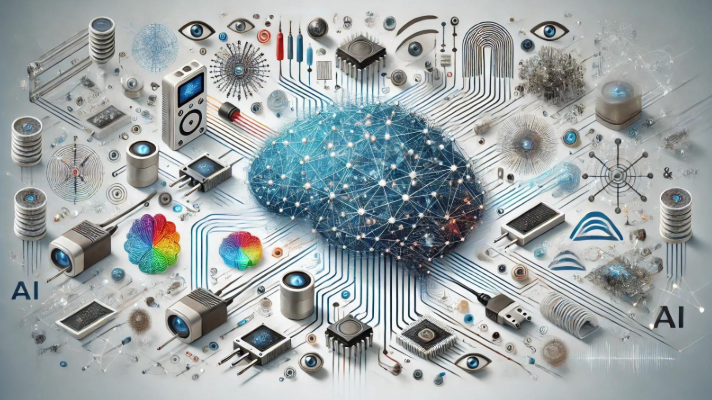
Artificial intelligence (AI) and machine learning are no longer just buzzwords; they’re revolutionizing the way we approach safety and security. These technologies enable systems to analyze vast amounts of data quickly and accurately, identifying patterns that might be invisible to the human eye. Imagine a system that can predict potential security threats based on historical data and real-time inputs. It’s like having a crystal ball that helps prevent incidents before they happen.
Machine learning algorithms can sift through mountains of data from various sources, such as surveillance cameras, social media, and even weather reports, to identify unusual patterns or behaviors. For instance, an AI-powered system at an airport might flag a piece of luggage that’s been left unattended for too long or identify a person exhibiting suspicious behavior based on past incidents. This proactive approach allows security personnel to intervene before a situation escalates, enhancing overall safety.
Moreover, AI systems can continuously learn and improve over time. They adapt to new information, becoming more accurate and reliable as they process more data. This dynamic nature ensures that security measures are always evolving to meet emerging threats. It’s like having a constantly improving security guard who never sleeps and is always on the lookout for potential dangers. The integration of AI and machine learning into security systems is truly transforming how we think about safety.
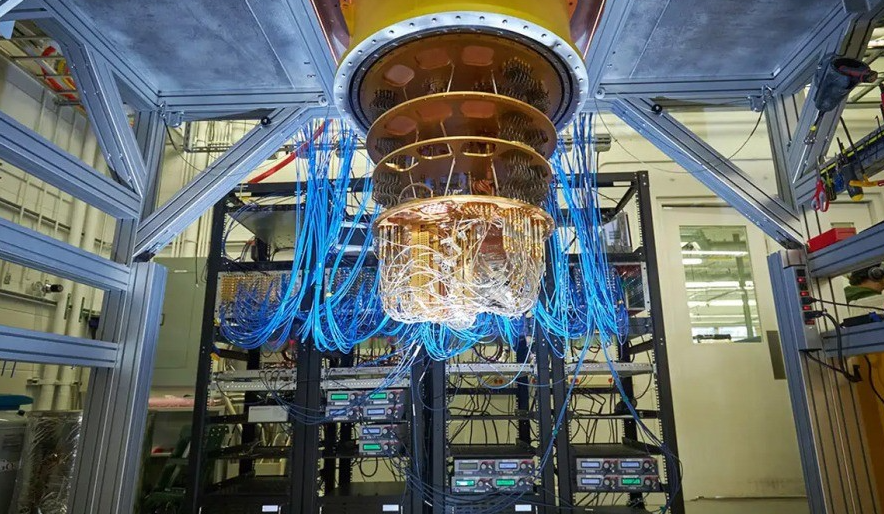
See also: Potential Applications of Quantum Technology
Drones and robotics on the front lines
Drones and robotics are no longer confined to science fiction; they’re actively being deployed on the front lines of security operations. These autonomous machines offer unparalleled flexibility and reach, making them invaluable tools in various security scenarios. Picture a drone patrolling a large area, equipped with high-resolution cameras and sensors that can detect anything out of the ordinary. It’s like having an extra set of eyes in places where human presence might be impractical or dangerous.
Robotic systems are also being used for tasks such as bomb disposal, search and rescue missions, and hazardous material handling. These robots are designed to withstand extreme conditions and perform tasks that would be too risky for humans. For example, a bomb disposal robot can approach a suspicious package, analyze its contents, and neutralize any threat without putting human lives at risk. It’s like having a brave companion who steps in when things get too dangerous.
The use of drones and robotics extends beyond ground operations as well. Aerial drones can provide real-time video feeds from high above, offering a bird’s-eye view of large areas during events or emergencies. They can be deployed quickly and cover vast distances, providing critical information that helps security personnel make informed decisions. The combination of mobility, versatility, and advanced technology makes drones and robotics indispensable in modern security operations.
Real-time data sharing for instant alerts
The ability to share data in real-time is a game-changer for security operations. Instant communication between different agencies and departments ensures that everyone is on the same page when it comes to potential threats or incidents. Imagine a network where information flows seamlessly from one point to another, enabling quick responses and coordinated efforts. It’s like having a well-oiled machine where every part knows exactly what to do.
Real-time data sharing allows for immediate alerts when something unusual is detected. For example, if a sensor picks up traces of explosives at an airport checkpoint, an instant alert can be sent to all relevant personnel, enabling them to take swift action. This rapid response capability is crucial in preventing incidents from escalating into full-blown crises. It’s like having an early warning system that gives you the precious time needed to act.
This interconnectedness also enhances overall situational awareness. Security personnel can access live feeds from surveillance cameras, sensor data, and other sources in real-time, providing a comprehensive view of the situation at hand. This holistic approach enables better decision-making and more effective responses. In essence, real-time data sharing transforms isolated pieces of information into a cohesive picture that drives proactive security measures.
Integrating wearable tech for personal safety
Wearable technology is not just for fitness enthusiasts; it’s making significant strides in enhancing personal safety as well. Devices such as smartwatches, wearable cameras, and even smart clothing are being integrated into security protocols to provide an extra layer of protection. Imagine wearing a device that can alert you to potential dangers or call for help if you’re in trouble. It’s like having a personal bodyguard that never leaves your side.
One of the key benefits of wearable tech is its ability to provide real-time data on individual health metrics and location. For instance, security personnel equipped with wearable devices can monitor their vital signs during high-stress situations or track their location in real-time during an operation. This information can be invaluable in ensuring their safety and well-being while they carry out their duties.
Moreover, wearable tech can facilitate quick communication between team members. A simple tap on a smartwatch can send an alert or message to others in the vicinity, enabling swift coordination during critical moments. This instant communication capability enhances teamwork and ensures that everyone stays connected and informed. In summary, integrating wearable tech into security measures offers both individual protection and improved operational efficiency.