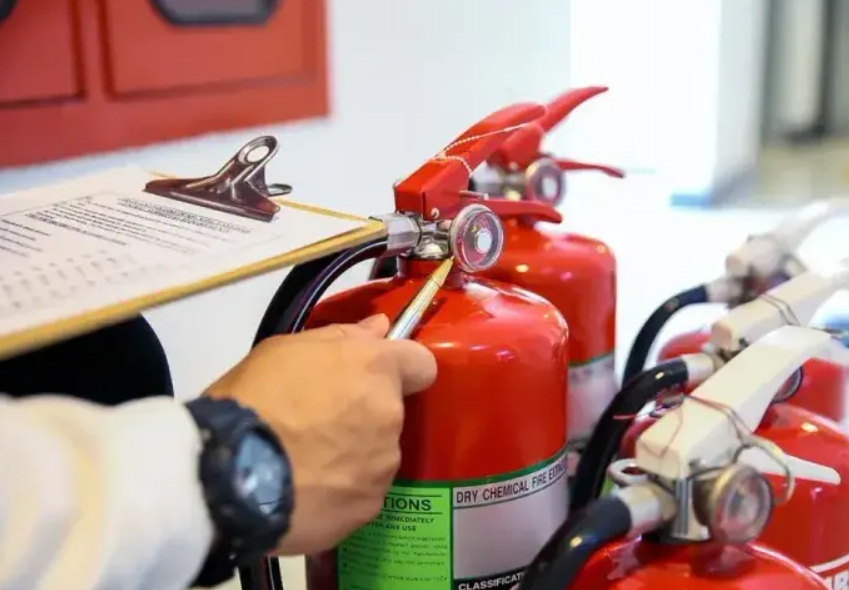
Why a Fire Risk Assessment Checklist Matters
A Fire Risk Assessment checklist provides a clear, systematic way to evaluate fire safety arrangements. Without a structured checklist, important hazards may be overlooked, increasing the likelihood of fire-related incidents.
Using a checklist ensures:
- Consistent assessments
- Better compliance with fire laws
- Clear accountability
- Improved safety outcomes
It also makes the assessment process easier to repeat and review over time.
Step 1: Identify Fire Hazards
Ignition Sources
Common ignition sources include:
- Electrical equipment
- Open flames
- Cooking appliances
- Hot work activities
Each source should be assessed based on frequency of use and maintenance condition.
See also: Popular Smart Home Devices
Fuel Sources
Fuel sources allow fires to spread rapidly:
- Paper and packaging
- Furniture and fabrics
- Chemicals and flammable liquids
- Waste materials
Good storage and waste management reduce fire loading.
Oxygen Sources
Oxygen is supplied through:
- Natural ventilation
- Air conditioning systems
- Compressed gas cylinders
Managing airflow can slow fire development.
Step 2: Identify People at Risk
Employees and Residents
Anyone present in the building is at risk, especially those unfamiliar with fire procedures.
Vulnerable Individuals
Consider people who:
- Have mobility impairments
- Are elderly or young
- Work alone or at night
Additional controls may be required for their safety.
Step 3: Evaluate, Remove, or Reduce Risks
Risk Rating and Prioritization
Risks should be rated based on:
- Likelihood of ignition
- Potential severity
- Number of people exposed
High-risk issues must be addressed immediately.
Preventive Control Measures
Examples include:
- Eliminating ignition sources
- Improving electrical safety
- Enhancing housekeeping standards
Step 4: Implement Fire Protection Measures
Fire Detection and Alarm Systems
Early detection provides vital warning time. Systems must be:
- Properly designed
- Tested regularly
- Maintained by competent persons
Firefighting Equipment
Fire extinguishers should be:
- Correct for the fire type
- Clearly visible
- Inspected routinely
Passive Fire Protection
Fire doors, fire-resistant walls, and compartmentation help contain fires and protect escape routes.
Step 5: Plan for Emergencies
Evacuation Procedures
Clear procedures should outline:
- How to raise the alarm
- Exit routes
- Assembly points
Training and Fire Drills
Regular training ensures everyone knows their role. Fire drills should be conducted at least annually.
Step 6: Record Findings and Actions
Documentation should include:
- Identified hazards
- Actions taken
- Responsible persons
- Review dates
Written records demonstrate compliance and due diligence.
Step 7: Review and Update the Assessment
Fire Risk Assessments must be reviewed:
- Annually
- After significant changes
- Following incidents or near misses
Regular reviews ensure ongoing effectiveness.
Common Fire Risk Assessment Checklist Mistakes
- Treating the checklist as a tick-box exercise
- Failing to act on findings
- Ignoring vulnerable people
- Poor record keeping
- Infrequent reviews
Avoiding these mistakes improves fire safety outcomes.
Frequently Asked Questions (FAQs)
1. Can I use a checklist for any building type?
Yes, but it should be tailored to the premises.
2. Is a checklist legally required?
While not mandatory, it supports legal compliance.
3. Who should complete the checklist?
A competent person with fire safety knowledge.
4. How detailed should the checklist be?
Detailed enough to identify and control risks effectively.
5. Can digital checklists be used?
Yes, digital records are acceptable and efficient.
6. How long should records be kept?
For as long as the assessment remains relevant.
Conclusion
A structured Fire Risk Assessment checklist is an essential tool for identifying hazards, reducing risks, and maintaining legal compliance. By following a step-by-step approach, organizations can create safer environments and significantly reduce the likelihood of fire incidents.