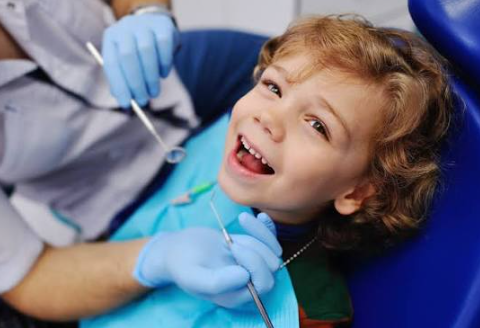
You may already know the pattern. A routine orthodontic visit goes on the calendar, your child starts worrying days before, and you start running through every detail that could set them off. The bright lights, the sounds, the hands near the face, the new textures, the pressure to sit still. For many families, this is not simple nerves. It is a real sensory challenge, and it can turn needed care into something your child dreads, which is why finding a children’s dental office in Mount Kisco can make all the difference.
How pediatric dentists manage sensory needs during ortho visits often comes down to one thing. They stop treating the appointment like a standard appointment. A pediatric dentist and orthodontist who understands sensory processing looks at the whole experience, from the waiting room to the last instruction at check out, and makes changes that lower stress before it spikes.
Children with developmental disabilities, autism, ADHD, anxiety, or sensory processing differences often need dental care that fits their nervous system, not the other way around. The National Institute of Dental and Craniofacial Research offers helpful background on oral health and developmental disabilities, and that context matters during orthodontic care, where repeat visits are part of the process.
Pediatric orthodontic sensory accommodations change the entire visit
Orthodontic care is repetitive by nature. Adjustments, scans, X rays, impressions, bonding, checking fit, changing elastics. Even when each step is short, the build up can be a lot for a child who processes sound, touch, taste, or movement differently. You may have seen this already. A child who is fine in the car may freeze in the chair. A child who tolerated cleanings may struggle once brackets, aligners, or cheek retractors are involved.
The stress gets worse when adults misread sensory distress as behavior. A child who turns away, covers their ears, gags, cries, or cannot answer may not be refusing care. They may be overloaded. That is why sensory friendly orthodontic visits are not a bonus feature. They are a clinical need for some children.
Good pediatric teams prepare before the child even arrives. They ask what triggers discomfort, what helps with regulation, whether the child prefers first then language, visual schedules, fewer words, or breaks. They may offer a quieter appointment time, reduce time in the waiting room, dim lights when possible, or allow comfort items. During treatment, they often narrate each step in plain language, keep surprises to a minimum, and pause before distress becomes panic.
Some clinics are building care around this idea in a deeper way. NIDCR highlighted a safe space dental clinic model that focuses on patients with disabilities and sensory needs. The point is simple. When the environment changes, cooperation often improves because the child feels safer.
Small sensory supports prevent bigger orthodontic problems
When sensory needs are ignored, families often end up in a cycle of cancellations, rushed visits, incomplete treatment, and guilt. That can affect oral health and the orthodontic plan itself. Missed visits can delay tooth movement. Avoiding elastics or aligners because they feel unbearable can reduce progress. A child who had one bad visit may resist the next one even more.
When support is built in, the visit becomes more predictable. Predictability matters. Many children do better when they know the order of events, how long a step will last, and what sensation to expect. “You will feel pressure for five seconds” is easier to handle than a silent surprise. So is a planned break halfway through an adjustment.
Parents can also ask for desensitization visits. These are short, low pressure appointments where the child practices entering the space, sitting in the chair, meeting staff, or tolerating one small part of care. A recent piece from University of Utah Health shares practical ways for making dentist visits easier for children with autism, including preparation strategies that often help before orthodontic treatment too.
Pediatric dentist and orthodontist strategies work best when they are individualized
There is no single sensory plan that fits every child. One child may need noise reduction. Another may gag from new textures. Another may do well with firm pressure and struggle only with transitions. The best orthodontic sensory support for kids is specific, flexible, and adjusted over time.
| Challenge During Ortho Visits | What Often Makes It Worse | Support That Often Helps |
|---|---|---|
| Noise sensitivity | Busy appointment times, sudden tool sounds | Quieter scheduling, headphones, step by step warning before sounds |
| Touch around the mouth | Fast hand movements, no preview of what comes next | Tell show do approach, shorter treatment segments, planned pauses |
| Gag reflex or texture aversion | Bulky materials, longer procedures without breaks | Smaller tools when possible, breathing cues, gradual exposure |
| Difficulty with transitions | Long waiting times, change in routine | Visual schedule, first appointment of the day, direct rooming |
| Fear after a past hard visit | Rushing into full treatment | Practice visits, same staff when possible, clear rewards and recovery time |
Three steps you can take before the next orthodontic appointment
1. Share a sensory profile before the visit. Tell the office what your child avoids, what calms them, and what tends to trigger shutdown or panic. Be specific. “Does better with one instruction at a time” is more useful than “gets nervous.”
2. Ask for environmental changes, not just patience. Request the first appointment of the day, less waiting room time, dimmer lighting if available, or a slower pace. Kind staff help, but practical changes usually help more.
3. Prepare and debrief at home. Use pictures, short scripts, or role play to rehearse the visit. Afterward, note what worked and what did not. Bring that information to the next appointment so the team can adjust instead of starting over.
Your child is not giving you a hard time. Your child is having a hard time, and that distinction changes everything. The right pediatric dentist and orthodontist will see that, plan for it, and make room for your child to succeed. If you are looking for care that respects sensory differences during pediatric orthodontic care, reach out and ask how the office adapts visits for children with sensory needs.