In today’s modern printing, packaging, and document protection industries, efficiency and consistency are extremely important. Businesses and institutions need reliable equipment that can handle continuous workloads while maintaining high-quality output. One of the most widely used machines for this purpose is the roll laminator machine.
This machine is designed to apply protective lamination film onto documents, posters, packaging materials, and various printed surfaces in a continuous roll-to-roll process. It is widely used in commercial printing shops, offices, schools, advertising agencies, and industrial production facilities.
What is a Roll Laminator Machine?
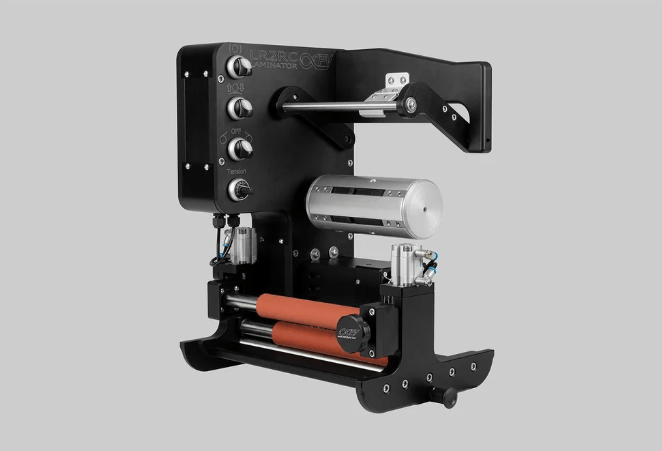
A roll laminator machine is a specialized device that uses large rolls of lamination film to coat paper or printed materials. Unlike pouch laminators that handle individual sheets, roll laminators are designed for continuous operation.
The machine feeds both the paper and lamination film through heated or pressure-based rollers, bonding them together to create a smooth, durable, and professional finish.
This type of machine is ideal for high-volume lamination work where speed and consistency are essential.
Importance of Roll Laminator Machine in Modern Industry
As industries become more competitive, presentation and protection of printed materials have become more important than ever. The roll laminator machine helps businesses achieve high-quality results efficiently.
Key reasons for its importance include:
- Continuous lamination capability
- High-speed production efficiency
- Consistent finishing quality
- Reduced manual labor requirements
- Cost-effective large-scale operation
- Improved durability of printed materials
These advantages make it a valuable tool in both commercial and industrial environments.
How a Roll Laminator Machine Works
The working process of a roll laminator machine is simple but highly efficient.
Film Loading
Large rolls of lamination film are installed on the machine’s rollers.
Material Feeding
Printed paper or sheets are fed into the machine through an automatic or manual feeding system.
Heating or Pressure Application
Depending on the machine type, heat or pressure is applied to activate the adhesive and bond the film to the material.
Lamination Process
The paper and film pass through rollers that ensure smooth and even bonding.
Cooling and Output
The laminated material is cooled and collected as finished output, either in rolls or cut sheets.
This continuous workflow ensures high productivity and consistent results.
Types of Roll Laminator Machines
Different industries use different types of roll laminator machines depending on production needs.
See also: Popular Smart Home Devices
Hot Roll Laminator Machines
These machines use heat and pressure to bond lamination film with paper. They are widely used in professional printing and packaging industries.
Cold Roll Laminator Machines
Cold laminators use pressure-sensitive adhesive films without heat, making them suitable for heat-sensitive materials.
Semi-Automatic Roll Laminators
These machines require some manual input but still offer high efficiency and are suitable for medium-scale operations.
Fully Automatic Roll Laminators
Designed for industrial use, these machines offer continuous, high-speed production with minimal human intervention.
Industrial Wide-Format Laminators
These are used for large posters, banners, and signage materials in advertising and commercial printing industries.
Each type serves specific production requirements.
Key Features of Modern Roll Laminator Machines
Modern roll laminator machines come with advanced features that improve performance and ease of use.
Continuous Operation System
Designed for nonstop production, making them ideal for bulk workloads.
Precision Temperature Control
Ensures consistent heat distribution for perfect lamination results.
Automatic Tension Control
Maintains proper film tension to prevent wrinkles or misalignment.
High-Speed Performance
Capable of processing large volumes in short time periods.
User-Friendly Interface
Digital panels allow easy control of machine settings.
Energy Efficient Design
Modern machines are built to reduce energy consumption while maintaining performance.
Applications of Roll Laminator Machine
Roll laminator machines are used in a wide range of industries due to their versatility.
Printing Industry
Used for laminating posters, brochures, catalogs, magazines, and business materials.
Advertising Industry
Used for banners, signage, billboards, and promotional displays.
Packaging Industry
Enhances durability and appearance of packaging materials.
Educational Institutions
Used for protecting charts, maps, and teaching materials.
Corporate Offices
Used for reports, presentations, and official documents.
Graphic Design Studios
Used for professional finishing of design projects and prints.
The wide range of applications makes it highly valuable in many sectors.
Advantages of Roll Laminator Machine
Businesses benefit greatly from using roll laminator machines in production.
High Production Speed
Supports continuous lamination for large-scale output.
Professional Quality Finish
Provides smooth, glossy, or matte finishing options.
Cost Efficiency
Reduces operational cost in bulk production environments.
Improved Material Protection
Protects printed materials from moisture, dust, and wear.
Versatility
Compatible with different paper types and film materials.
Reduced Labor Effort
Automation reduces manual work and increases efficiency.
Technological Advancements in Roll Laminator Machines
Modern machines are equipped with advanced technologies that enhance performance and reliability.
Key innovations include:
- Digital control systems
- Automatic feeding mechanisms
- Smart pressure adjustment systems
- Infrared heating technology
- Anti-jam detection systems
- Real-time monitoring features
These advancements make modern roll laminators more efficient and user-friendly.
Role in Modern Printing and Packaging Industry
The roll laminator machine plays an important role in improving the quality and durability of printed materials. In a competitive market, presentation quality is essential for attracting customers and building brand identity.
It helps industries achieve:
- Better product presentation
- Increased durability of prints
- Higher customer satisfaction
- Professional finishing standards
This makes it an essential tool in modern production workflows.
Environmental Considerations
Modern roll laminator machines are designed with sustainability in mind.
Eco-friendly features include:
- Reduced energy consumption
- Support for recyclable films
- Low-waste production systems
- Cleaner operating processes
These features help reduce environmental impact while maintaining productivity.
Challenges in Using Roll Laminator Machines
Although highly efficient, there are some challenges associated with these machines:
- High initial investment cost
- Need for skilled operators
- Regular maintenance requirements
- Compatibility limitations with certain materials
However, the long-term benefits usually outweigh these challenges.
Future of Roll Laminator Machines
The future of roll laminator machines is moving toward smarter, faster, and more automated systems.
Future developments may include:
- AI-based production optimization
- Fully automated lamination lines
- IoT-enabled machine monitoring
- Faster high-capacity systems
- Eco-friendly material integration
These innovations will improve efficiency and reduce operational costs in the long run.
Conclusion
The roll laminator machine is a vital tool in modern printing, packaging, and advertising industries. It offers high-speed performance, consistent quality, and cost-effective operation for large-scale lamination needs.
With continuous technological advancements and increasing global demand, roll laminator machines will continue to play an important role in industrial and commercial production. Businesses that adopt this technology benefit from improved efficiency, better product quality, and long-term operational success.