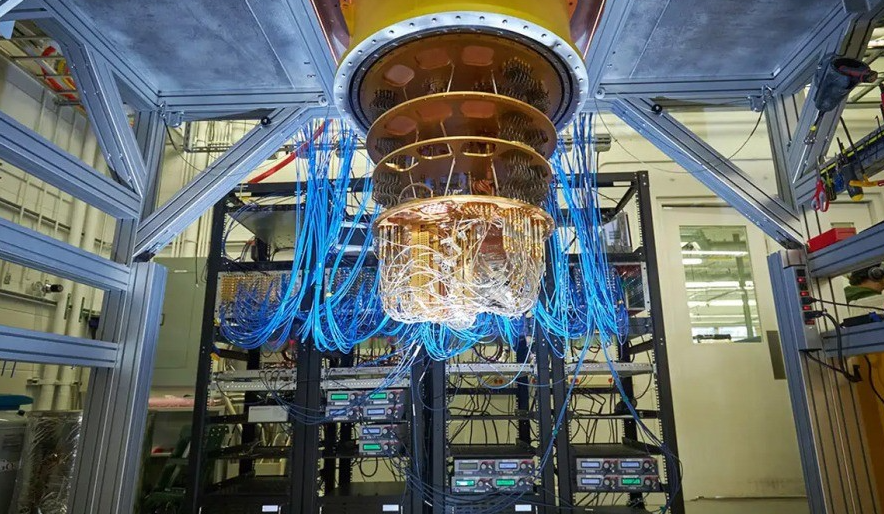
Artificial intelligence is rapidly becoming one of the most transformative technologies in the modern world. Businesses, creative industries, healthcare providers, and technology companies are increasingly using AI-driven systems to improve efficiency, automate tasks, and create smarter digital experiences. As organizations continue adapting to digital transformation, AI has become a major force driving innovation and long-term business growth.
Modern AI technologies can process information, recognize patterns, support automation, and improve decision-making across many industries. These capabilities allow businesses to streamline operations, improve customer experiences, and develop more advanced digital solutions. As AI technology continues evolving, its influence on business strategy, creativity, and daily life is expected to grow even further.
Many organizations now explore AI solutions to improve digital innovation, increase productivity, and support modern business transformation.
What Is Artificial Intelligence?
Artificial intelligence refers to computer systems designed to simulate human intelligence and perform tasks that typically require human thinking and analysis.
Core Functions of AI
Modern AI systems can support:
- Data analysis
- Automation
- Predictive decision-making
- Digital content creation
- Customer interaction
These technologies are increasingly integrated into business operations and digital platforms worldwide.
See also: Company Formation and Closing a Business Legally
Why AI Is Important for Modern Businesses
Organizations are investing heavily in AI because it offers opportunities for efficiency, innovation, and competitive advantage.
Improved Operational Efficiency
AI-powered automation helps reduce repetitive manual work and improve workflow management.
Faster Data Processing
Businesses can analyze large amounts of information more accurately and efficiently using AI technologies.
Enhanced Customer Experiences
AI systems support personalized services, chatbots, and digital communication improvements.
Common Applications of AI Across Industries
Artificial intelligence is being used across many sectors to improve productivity and innovation.
Business Automation
Companies use AI to automate scheduling, reporting, customer service, and administrative operations.
Creative and Digital Industries
AI tools assist with graphic design, video production, visual effects, and content generation.
Healthcare and Medical Technology
Healthcare providers use AI for diagnostics, patient monitoring, and medical data analysis.
Financial Services
Financial institutions rely on AI for fraud detection, data analysis, and risk management.
How AI Is Transforming Creative Industries
Artificial intelligence is increasingly influencing design, media, and digital content production.
Digital Design and Media Creation
Creative professionals use AI to support visual production and content development workflows.
Faster Production Processes
Automation helps reduce repetitive editing and production tasks within creative projects.
Personalized User Experiences
AI helps businesses deliver customized content and interactive digital experiences for audiences.
The Role of AI in Digital Transformation
AI has become a major part of modern digital transformation strategies across industries.
Smart Business Systems
AI-powered platforms help improve efficiency, customer engagement, and operational management.
Data-Driven Decision Making
Organizations increasingly rely on AI-generated insights to support strategic planning and forecasting.
Cloud and Automation Integration
Cloud computing and AI technologies work together to support scalable and flexible digital systems.
Why Companies Continue Investing in AI
Businesses view AI as a long-term investment in productivity, innovation, and market competitiveness.
Competitive Business Advantage
AI technologies help organizations respond more quickly to market trends and customer demands.
Innovation Opportunities
AI supports the development of new services, products, and digital experiences.
Cost Reduction and Efficiency
Automation helps reduce operational costs while improving overall business performance.
Technology Trends Driving AI Growth
Several technological advancements continue accelerating AI adoption worldwide.
Machine Learning Development
Machine learning systems allow AI to improve performance through data analysis and experience.
Big Data Expansion
The growth of digital data provides more opportunities for AI-driven analysis and insights.
Improved Computing Power
Advanced hardware and cloud infrastructure support more sophisticated AI capabilities.
Important Considerations for AI Implementation
Organizations should carefully plan AI adoption strategies to maximize long-term value.
Data Privacy and Security
Businesses must ensure responsible handling and protection of sensitive information.
Ethical AI Usage
Responsible AI development should include fairness, transparency, and human oversight.
Employee Adaptation and Training
Organizations may need to train employees to work effectively alongside AI systems.
Scalability and Long-Term Planning
AI solutions should support future business growth and evolving technology needs.
The Future of AI Innovation
Artificial intelligence is expected to continue influencing industries and global technology trends.
Smarter Automation Systems
Future AI tools may provide more advanced predictive analysis and workflow automation.
AI-Assisted Creativity
AI will likely continue supporting designers, marketers, and content creators in creative industries.
Personalized Digital Experiences
Businesses may increasingly use AI to create highly customized customer interactions and services.
Why AI Continues to Influence Global Markets
Artificial intelligence is becoming a major driver of economic development and digital innovation.
AI supports:
- Operational efficiency
- Digital transformation
- Creative production
- Customer engagement
- Strategic decision-making
As a result, organizations across industries continue prioritizing AI investments and digital infrastructure development.
FAQs
What is artificial intelligence commonly used for?
AI is commonly used for automation, data analysis, customer support, digital content creation, and business optimization.
Why are businesses adopting AI technology?
Businesses use AI to improve efficiency, reduce operational costs, enhance customer experiences, and support innovation.
How does AI affect creative industries?
AI supports digital design, content production, workflow automation, and personalized media experiences.
Conclusion
Artificial intelligence is reshaping modern industries by improving automation, supporting innovation, and transforming digital experiences across business and creative sectors. From operational efficiency and customer service to content creation and data analysis, AI technologies continue changing how organizations operate within the global digital economy. As technology advances, AI remains one of the most important drivers of innovation and future business growth.
Organizations that adopt AI strategically and responsibly are better positioned to improve productivity, strengthen competitiveness, and adapt to rapidly evolving market demands. As artificial intelligence continues developing, its role in shaping technology, creativity, and business transformation will continue expanding worldwide.