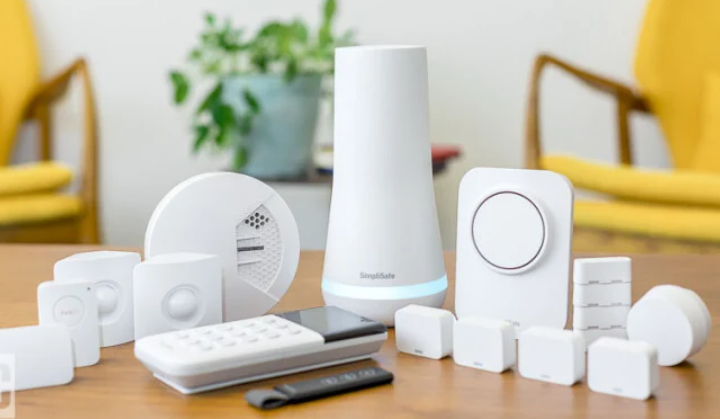
The rise of smart devices has transformed modern living, but it has also introduced significant privacy challenges. These devices routinely collect vast amounts of personal data, often without clear user consent. Security vulnerabilities remain pervasive, exposing users to potential breaches. The lack of transparency in data handling further complicates the issue, leaving individuals with limited control over their information. As this landscape evolves, it becomes crucial to examine the implications for user autonomy and trust.
Data Collection and Usage
As smart devices become increasingly integrated into daily life, the extent of data collection and usage raises significant privacy concerns.
Data mining practices, often employed by companies, generate valuable insights but also pose ethical concerns about user consent and autonomy.
The potential for misuse of personal information highlights the need for transparent data policies, empowering individuals to safeguard their privacy in a technology-driven landscape.
Security Vulnerabilities
Security vulnerabilities present a formidable challenge in the realm of smart devices, where interconnectedness often outpaces protective measures.
These vulnerabilities can lead to network breaches and software exploits, exposing sensitive user data and compromising device functionality.
As manufacturers prioritize innovative features over robust security, the risks to user privacy and autonomy intensify, highlighting the urgent need for enhanced security protocols in the smart device ecosystem.
See also: Potential Applications of Quantum Technology
Lack of Transparency
While consumers increasingly rely on smart devices for convenience and efficiency, a pervasive lack of transparency regarding data collection and usage practices poses significant privacy risks.
Users often remain unaware of the extent of data ownership relinquished to manufacturers, as privacy policies frequently obscure critical information.
This opacity undermines informed decision-making, leaving consumers vulnerable to exploitation and eroding trust in the technology they depend on.
User Control and Consent
User control and consent are critical components of maintaining privacy in the realm of smart devices.
Effective consent mechanisms facilitate user empowerment, allowing individuals to manage their data proactively.
However, many devices lack robust options that inform users adequately.
As a result, achieving meaningful consent remains a challenge, necessitating a focus on enhancing transparency and user autonomy in data handling practices.
Conclusion
In the realm of smart devices, users are like unwitting travelers in a vast, intricate maze, guided by unseen forces that shape their paths. As they navigate this landscape, the shadows of data collection, security breaches, and opaque consent loom large, obscuring their autonomy. To chart a course toward a safer digital future, the architects of technology must illuminate the way with transparency and fortified security, ensuring that travelers reclaim control over their journeys in this interconnected world.